
1099 Filing Guide 2026: Everything Businesses Need to Know About Form 1099
Complete Guide to 1099 Filing for Small Businesses and Entrepreneurs
If your business hires independent contractors, freelancers, consultants, or vendors, understanding 1099 filing requirements is essential for staying compliant with IRS regulations. Failure to file Form 1099 correctly and on time can result in significant penalties and unnecessary tax complications.
At Uniworld Network Solution, we provide professional accounting, bookkeeping, tax compliance, and financial management services to businesses across the United States. This comprehensive guide explains everything you need to know about Form 1099 filing, deadlines, requirements, and common mistakes to avoid.
What Is Form 1099?
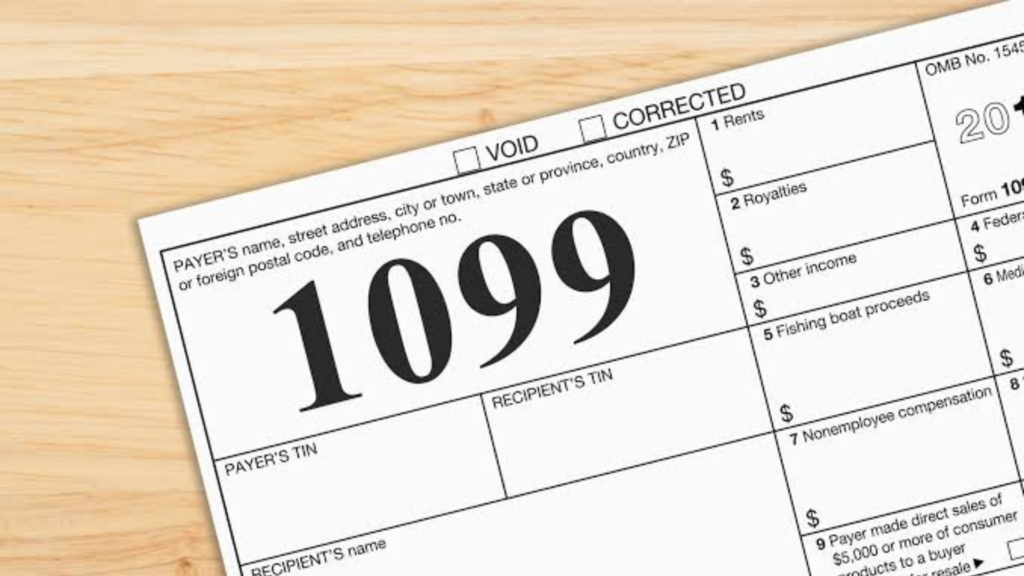
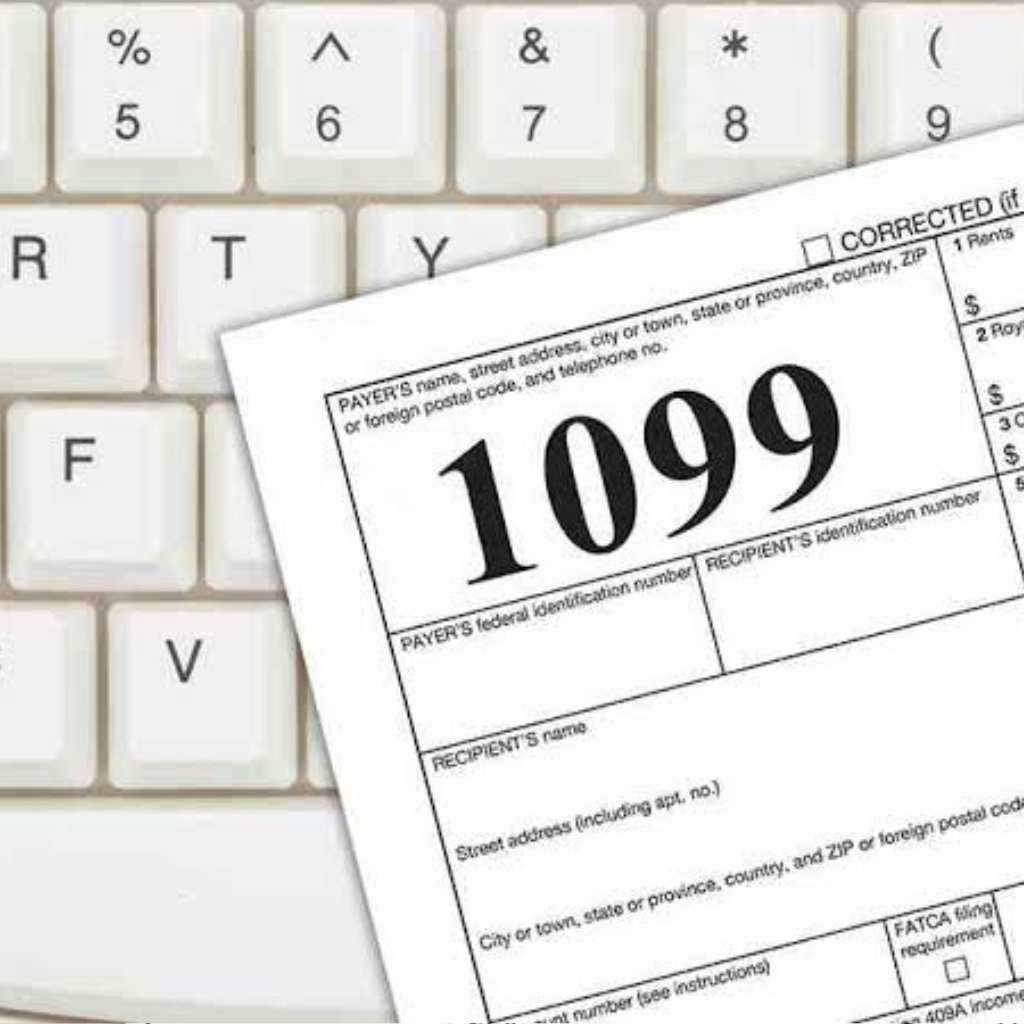
Form 1099 is an IRS information return used to report certain types of payments made to non-employees during the tax year. Unlike Form W-2, which is issued to employees, Form 1099 is typically provided to independent contractors, freelancers, consultants, and service providers.
The IRS uses Form 1099 to track income earned by non-employees and ensure proper tax reporting.
Types of 1099 Forms
Several versions of Form 1099 exist, but the most commonly used forms include:
Form 1099-NEC
Form 1099-NEC (Nonemployee Compensation) is used to report payments made to independent contractors and freelancers.
Businesses generally must file Form 1099-NEC when:
- Payments total $600 or more during the year
- Services were performed by a non-employee
- Payments were made in the course of business
Form 1099-MISC
Form 1099-MISC is used to report various miscellaneous payments, including:
- Rent payments
- Royalties
- Prizes and awards
- Attorney payments
- Other reportable income
Other Common 1099 Forms
- Form 1099-INT – Interest Income
- Form 1099-DIV – Dividend Income
- Form 1099-K – Payment Card Transactions
- Form 1099-R – Retirement Distributions
- Form 1099-S – Real Estate Transactions
Who Needs to File Form 1099?
Businesses, LLCs, partnerships, and corporations may be required to file Form 1099 if they pay qualifying non-employees for services.
Common recipients include:
- Freelancers
- Graphic designers
- Web developers
- Virtual assistants
- Marketing consultants
- Bookkeepers
- Accountants
- Independent sales representatives
- Legal professionals
If your business paid a contractor $600 or more during the year, you may have a filing obligation.
Information Needed Before Filing
Before preparing Form 1099, collect the following information from contractors:
Form W-9
A completed Form W-9 provides:
- Legal business name
- Taxpayer Identification Number (TIN)
- Social Security Number (SSN) or EIN
- Business address
Request a W-9 before making payments whenever possible.
Payment Records
Maintain accurate records of:
- Invoice payments
- Contractor compensation
- Vendor payments
- Reimbursements
- Payment dates
Accurate bookkeeping helps ensure correct 1099 reporting.
1099 Filing Deadlines
Missing IRS deadlines can result in penalties.
Form 1099-NEC Deadline
Businesses must generally provide Form 1099-NEC to contractors and file with the IRS by January 31.
Form 1099-MISC Deadline
Deadlines may vary depending on filing method and reporting requirements.
It is always recommended to prepare forms early to avoid delays and penalties.
How to File Form 1099
Step 1: Gather Contractor Information
Collect Form W-9 and verify payment totals.
Step 2: Determine Filing Requirement
Review all vendor payments and identify contractors meeting IRS reporting thresholds.
Step 3: Prepare Form 1099
Complete the appropriate version of Form 1099 based on payment type.
Step 4: Deliver Copy to Recipient
Provide the contractor with their copy before the deadline.
Step 5: File with the IRS
Submit electronically or by mail according to IRS filing requirements.
Step 6: Maintain Records
Retain copies and supporting documentation for future audits and compliance purposes.
Common 1099 Filing Mistakes
Many businesses make avoidable errors that can lead to penalties.
Incorrect Taxpayer Information
Misspelled names or incorrect EINs may trigger IRS notices.
Missing Filing Deadlines
Late filing penalties can increase substantially over time.
Misclassifying Workers
Improperly treating employees as independent contractors can create serious tax liabilities.
Inaccurate Payment Reporting
Failing to reconcile bookkeeping records often results in reporting errors.
Failure to Collect W-9 Forms
Without proper taxpayer information, filing becomes difficult and may lead to backup withholding requirements.
Penalties for Late or Incorrect 1099 Filing
The IRS may assess penalties for:
- Late filing
- Failure to file
- Incorrect taxpayer information
- Missing recipient copies
- Intentional disregard of filing requirements
Penalties vary depending on how late forms are submitted and the nature of the violation.
For businesses issuing multiple 1099 forms, penalties can quickly become expensive.
Benefits of Professional 1099 Filing Services
Many business owners prefer outsourcing 1099 preparation to accounting professionals.
Benefits include:
- Accurate reporting
- Reduced compliance risk
- Timely filing
- Proper contractor classification
- Penalty avoidance
- Improved bookkeeping accuracy
Professional assistance helps ensure all forms are completed correctly and submitted on time.
How Bookkeeping Supports Accurate 1099 Filing
Effective bookkeeping is the foundation of successful 1099 compliance.
Proper bookkeeping allows businesses to:
- Track vendor payments
- Categorize expenses accurately
- Maintain audit-ready records
- Identify reportable contractors
- Generate year-end reports quickly
At Uniworld Network Solution, we help businesses maintain organized financial records throughout the year, making 1099 filing simple and stress-free.
Why Choose Uniworld Network Solution for 1099 Filing?
Uniworld Network Solution provides reliable accounting and financial support services for startups, small businesses, entrepreneurs, and growing companies.
Our services include:
- 1099 Preparation and Filing
- Bookkeeping Services
- Accounting Services
- Payroll Processing
- Financial Reporting
- Tax Compliance Support
- LLC Accounting
- Accounts Payable Management
- Accounts Receivable Management
- Virtual CFO Services
Our experienced team ensures your business remains compliant with IRS requirements while reducing administrative burdens.
Frequently Asked Questions
Do I need to issue a 1099 to every contractor?
Generally, businesses must issue Form 1099-NEC when qualifying payments to a non-employee total $600 or more during the tax year.
What happens if I miss the filing deadline?
The IRS may assess penalties depending on how late the filing occurs.
Can I file 1099 forms electronically?
Yes. Electronic filing is often faster, more secure, and recommended for many businesses.
What records should I keep?
Maintain copies of W-9 forms, invoices, payment records, contracts, and filed 1099 forms.
Final Thoughts
1099 filing is a critical part of year-end tax compliance for businesses that work with independent contractors and service providers. Proper preparation, accurate bookkeeping, and timely filing help avoid costly penalties and IRS notices.
Whether you need help preparing Form 1099, managing contractor payments, maintaining accurate bookkeeping records, or ensuring overall tax compliance, Uniworld Network Solution is here to help.
Contact Uniworld Network Solution today to simplify your accounting, bookkeeping, and 1099 filing requirements while keeping your business fully compliant.